What Is an EMDR Intensive? A Faster Path to Healing
What Is an EMDR Intensive? A Faster Path to Healing
An EMDR intensive is a condensed way to do trauma therapy. Instead of meeting once a week for months, you do the deep work in one focused block of time, sometimes a single day, sometimes a weekend, sometimes a few sessions spread across a week. If you're wondering whether that's right for you, here's what it's actually like, from someone who does this work every day.
I want to tell you about EMDR intensives in a way that lets you know how powerful they are, but I'm having trouble finding the words. I'm having trouble finding words to describe the impact reprocessing has on how you feel, day to day. This happens to me often when I try to explain EMDR and its benefits. It's almost ineffable. How can I make this tangible? I might spend my whole career trying to figure this out, because if I could describe the power of EMDR adequately, everybody would do it.
What Is an EMDR Intensive?
An EMDR intensive condenses the work of months of weekly EMDR therapy into one focused stretch of time. Instead of stopping and starting each week, you stay in the process long enough to move all the way through it.
In this article, I want to talk about EMDR intensives specifically: what they're like, who they're for, and why I think they might be the most powerful way to do this work.
What Weekly Therapy and an EMDR Intensive Each Feel Like
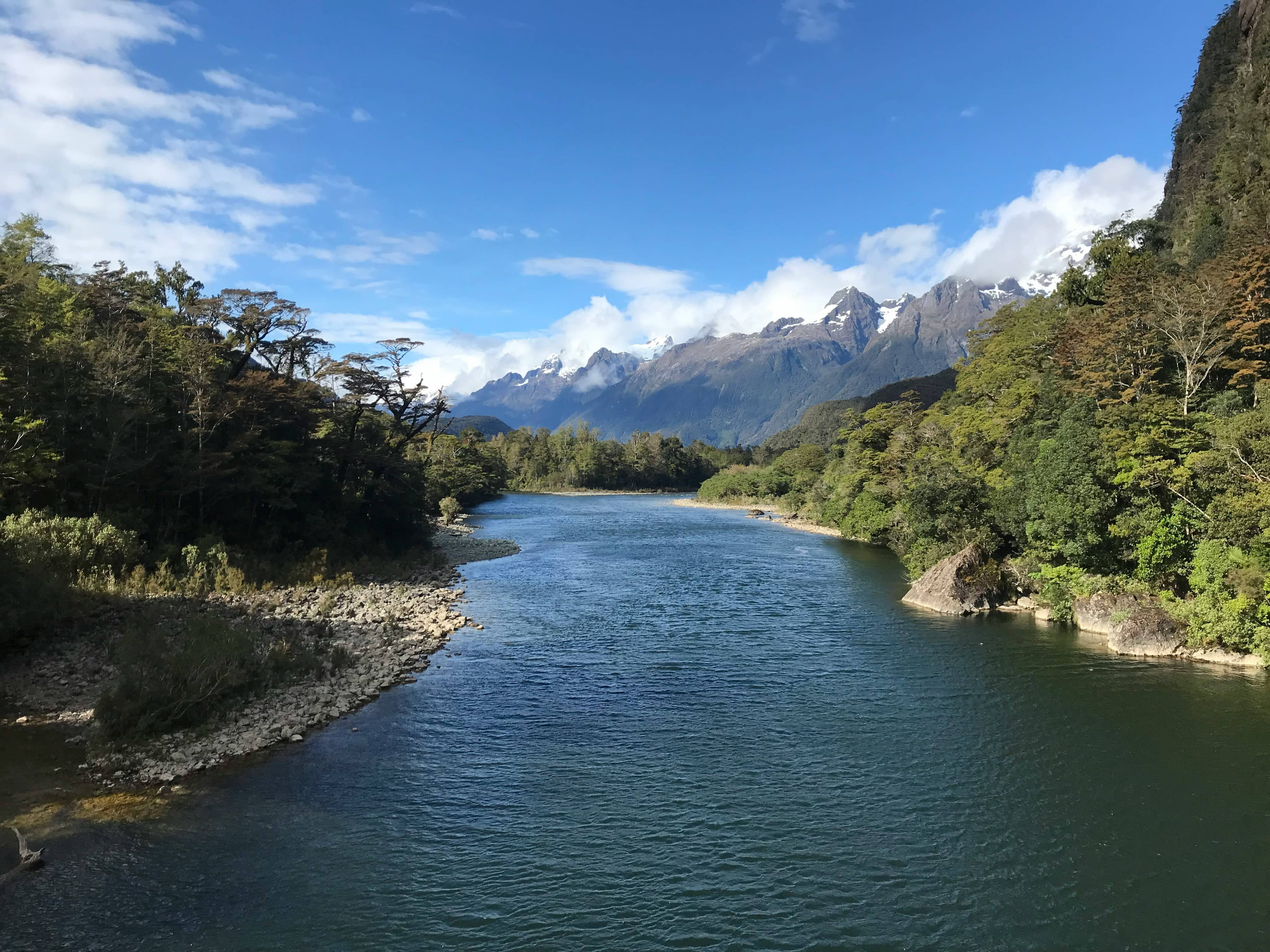
Imagine you're going on a rafting trip. On this trip, you bring everything you think you need: provisions, gear, food. You've read about it, maybe even taken an online course. You know the vocabulary. You've seen pictures of the rapids and the curves in the river, so you feel prepared, and you set out.
You do okay starting out, feeling good, feeling confident. But then you see a curve. This section looks scary: rapids, rocks, a huge canyon. Why did I decide to do this alone? You can verbally describe what to do, but your body doesn't know how, or have the skill, to effortlessly row and maneuver the boat. You survive, but your boat tips, capsizes. You get all wet, ruining your gear, and you have to start over.
Now imagine the same trip, but you have a guide. They're with you. They bring the things you don't think of. They know the terrain, and they stay calm even when things get dicey. But you have to stop every hour for a break. This will take forever, you think.
Here's the intensive: you complete the whole trip in one shot, or maybe with two or three breaks. Your guide is with you the whole way. They row when you're feeling weak. They know the terrain. They help you feel confident, and together you make huge strides. You learn an intense amount about yourself and your capability. You get so much experience and cover so much ground. Because you're able to keep going instead of stopping and starting, you see things you'd never have seen otherwise: wildlife, beautiful scenery. At times you feel exhausted, but you keep pushing forward, astonished by what your body can handle. It gives you a new outlook on your life. You're able to imagine situations you never thought you could manage, and now you believe you can get through anything.
You feel so skilled and confident that you decide to go on another trip on your own. Maybe every now and then, you come back to your guide for the big trips, the hard trips, or just a little maintenance.
This is what an EMDR intensive is like. It's my favorite way to work, and honestly, it's easier for me too.
Why I Recommend EMDR Intensives Over Weekly EMDR Therapy
The start and stop of weekly sessions is hard. I'm in this work to help people get better, not to spend years waiting for you to get better. Let me be straight with you: weekly therapy wasn't invented by a client or a therapist. It's part of a bigger insurance system that's old and outdated. Insurance hardly even wants to pay for a 53-minute session. We have to justify that hour. They'd prefer we only see you for 45 minutes. I could rant about this for days. I'll stop there, I could go on and on about our medical system in the US. It's not set up for true, holistic healing.
My point is, the weekly therapy model isn't the best fit for everyone. It's good for some people, and weekly therapy can be very effective. But for some of us, or I'd argue most of us, we're ready to feel better now, not in a year.
I've had clients make huge progress in an intensive. It almost blows my mind, the shifts that happen after spending a full day engaging in EMDR.
When I am a client, when I'm ready to do work on something, I want to dig in and make real progress, not spread the pain across months. If I'm going to open an old wound to heal it, why would I pick the scab off every week? Why not open it all the way up, clean it out once, and stitch it back up properly?
In my work as a therapist, it's the same. If it's possible, why would I work with you any other way? Sometimes weekly is the only option, and I have plenty of weekly clients I love working with. Sometimes weekly works better, and there's nothing wrong with that. But it's not the only way.
What Can an EMDR Intensive Help With?
I've helped clients work through a range of struggles in an intensive format, including:
- Test anxiety that shows up as panic or freezing under pressure.
- Unexplained illness, where the body is holding stress the mind hasn't processed.
- Low confidence after a divorce, rebuilding a sense of self after a major life change.
- Hypervigilance so intense that regulating enough to engage in a weekly session felt out of reach.
Who Is an EMDR Intensive For?
EMDR intensives tend to be a great fit for:
- People ready to dive into the work, who want to move quickly rather than ease in slowly.
- Shift workers, whose schedules don't line up with a standard weekly appointment.
- People with a specific goal or timeline, who need to feel different by a certain point.
We can't promise outcomes, and intensives aren't for everyone, but they are a powerful and wonderful tool. You also save time and money: think three to six months of weekly therapy, condensed into a weekend.
What Does EMDR Reprocessing Actually Do?
"The goal of EMDR treatment is to rapidly metabolize the dysfunctional residue from the past and transform it into something useful." — Francine Shapiro
This is one of my favorite quotes from Francine Shapiro, who discovered EMDR. It's the best way to describe how EMDR reprocessing works. We're reprocessing the past so that you feel better now. Everything connects, everything stacks, going back to the beginning, reevaluating, using both sides of the brain, can change your life.
How Healing Ripples Outward
"Changing the memories that form the way we see ourselves also changes the way we view others. Therefore, our relationships, job performance, what we are willing to do or are able to resist, all move in a positive direction." — Francine Shapiro
If you heal, you make an impact on every person in your life. If I can help you heal, I also help the hundreds of people you impact. That's a pretty great job.
Is an EMDR Intensive Right for You?
If you're ready to stop picking at the same wound every week and want to make real, lasting progress in a matter of days rather than months, an EMDR intensive may be worth exploring. It won't be the right fit for everyone, but if you're someone who wants to dive in, has a timeline in mind, or simply can't make weekly sessions work, it's worth a conversation.
