EMDR and Childhood Memories: Healing Without Recall
EMDR and Childhood Memories: Healing Without Recall
Many of my clients arrive with symptoms that feel impossible to explain: high anxiety, physical discomfort in the body, depression, trouble connecting with others, conflict in relationships, or a low sense of self worth. They describe all of it with no real idea where it came from. Understanding EMDR and childhood memories, and how the two are connected, is often the missing piece.
Why do these symptoms feel like they come from nowhere?
The EMDR basic protocol puts real weight on childhood memories and childhood attachment, because the way we see the world, the way we see ourselves in it, and the way we move through relationships and conflict, is mostly set by around age 10.
That way of moving through the world, through connection, stress, and conflict, lives in the body. This is something we now understand through research. The body stores these experiences, and they don't have to be "trauma" in the dramatic sense. Sometimes they're just ordinary experiences within a family system.
Those early experiences shape how we react in the present. When something from that time is still stuck, it can show up as an anxiety disorder, major depressive disorder, PTSD, an attachment wound, or honestly, a set of symptoms that doesn't fit a clean diagnosis at all. What it usually has in common is that nothing seems to help, and it doesn't go away.
When clients come in and explain these symptoms, they'll often say they're not sure where they've come from, though a few hard things have happened that seem worth processing. When I bring up childhood and ask them to think back to anything that happened between age zero and 10, that's usually where the real work begins.
What if I don't remember my childhood?
About half of the clients I say this to will tell me they don't have any memory from before age 10, maybe two or three things at most. If that's you, it doesn't stand in the way of the work. I've had clients with no memory at all from ages zero to 10, and we still processed these symptoms and resolved them.
What does EMDR work actually look like?
The first step in EMDR is exploring the adaptive resources you already have. How do you compartmentalize? How do you respond at your most stressed? Who do you lean on, and what skills do you already use to get through hard moments? From there, we fill in any gaps, adding resources to support you if things spiral too much.
Then we begin processing. We explore your history and build a map of what's accessible, working through the memories and experiences you can reach. Access here doesn't just mean remembering something, it means feeling capable of returning to it and moving through it. We process these memories one by one, and through this work, your nervous system gets stronger.
Something remarkable tends to happen along the way. Nine times out of 10, clients start remembering more, even in the years we may not have directly targeted yet. Working through adult or adolescent experiences lights up those earlier memory networks, and more comes back from ages zero to 10. This can feel distressing at times, which is why we keep returning to those resources, to make sure you stay stable through the process. Because we're working with memory networks in the brain, and those networks connect the way roots do underground, one memory reaching toward the next, everything connects.
How does one memory connect to another?
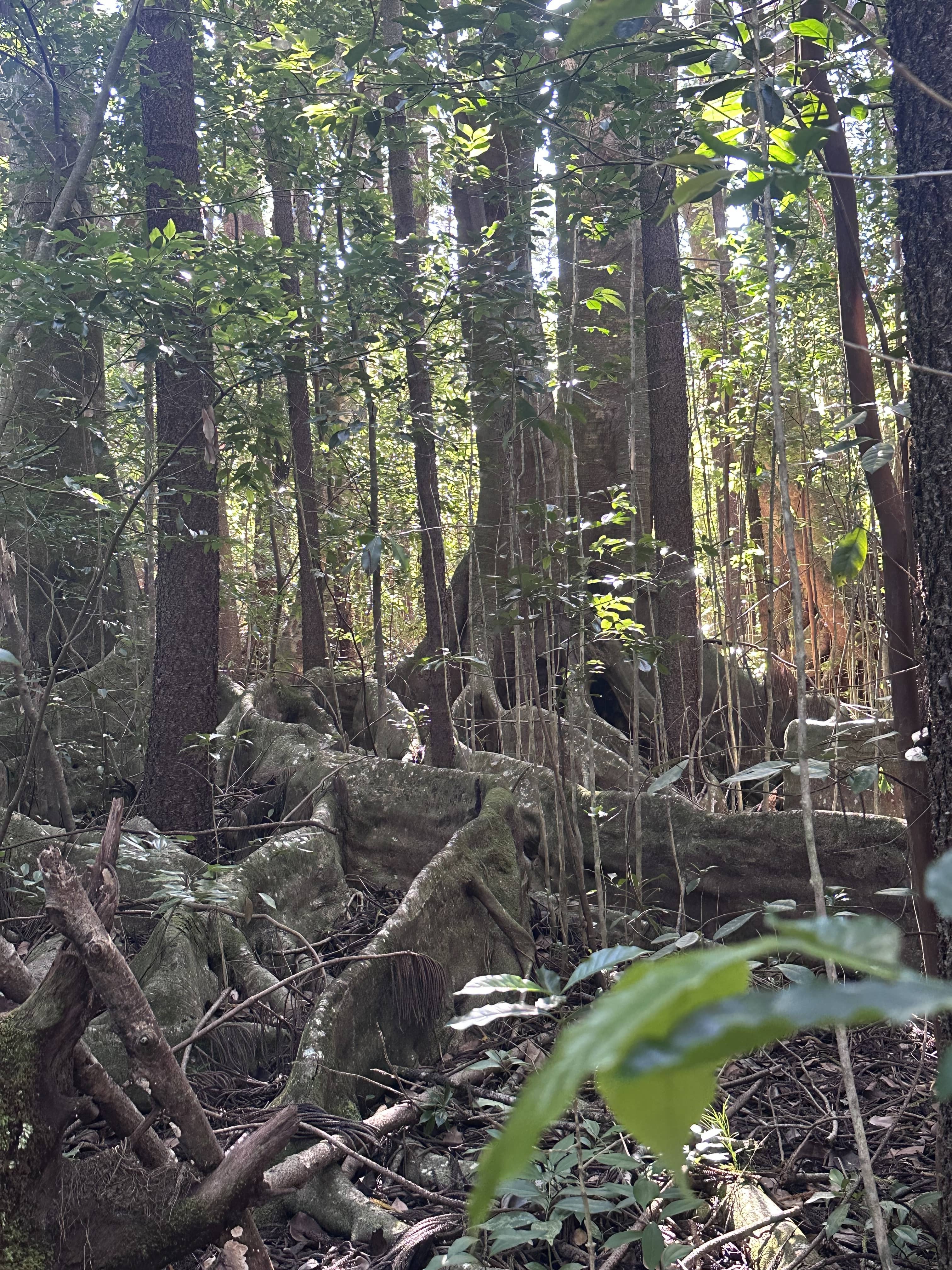
Think of your neural networks like the root system of a tree. What you see above ground is one moment, one reaction, one relationship, but underneath, the roots are all tangled together, feeding into each other. The thing that happened to you in kindergarten on the playground with a bully connects to what happened in high school, and also to the time your boss was disrespectful or didn't listen to you. We can follow that root system from a current experience back to the core wound.
This doesn't just give us access to the memory. It gives you real insight into why you're reacting the way you are, why you feel a wave of anxiety when someone you don't even care about dismisses you, or why, despite knowing you're worthy and loved, you still carry a sense of loneliness and isolation. We follow the thread to the core wound, and when your nervous system is ready, we heal it.
What if there's still no memory, even with the work?
To be transparent, in six years of practicing EMDR, I've never had this happen. But if it did, we could still process it through the body. I've had clients experience an intense somatic response that neither of us could trace back to a specific memory, and we processed it anyway. The body is intelligent, and it knows where we need to go, so we follow it.
This next section discusses childhood sexual abuse, and may be difficult for some readers.
What about memories that might involve childhood sexual abuse?
One of the most common ways I see inaccessible memory show up is around possible molestation in childhood. Clients will describe a feeling that something happened, without being certain. That not knowing is often more distressing than the event itself would be.
In my experience, one of two things happens from there. Either the memory surfaces and we process it, and the client heals and moves on, carrying it not as something that defines them but as something that happened to them, something that shaped them into someone strong and resilient. Or we never find out for certain, and instead the client reaches a place of acceptance, peace, and contentment, because whatever happened is no longer happening now. The body comes to know it's safe, that they're not five years old anymore, they're 35, and capable of keeping themselves safe. Whether or not it happened stops mattering as much as who they are now and how they're choosing to live.
Why does EMDR feel different from coping skills alone?
EMDR is the most powerful tool I've experienced in psychotherapy as a clinician. Talk therapy, by comparison, often felt like hitting a brick wall. Clients had to work so hard to build and maintain coping skills, there was so much effort required between sessions, and even when it worked for a while, it was common to slide back, because willpower is finite.
EMDR is different. It works with the actual brain and nervous system. Coping skills still matter and remain part of the treatment plan, but my goal isn't to hand you the perfect coping skill. It's to heal the underlying wound, so you no longer need to reach for one, because you have a sense of equanimity, strength, and internal capacity to move through whatever comes.
To be human is to suffer sometimes, and to be human is also to experience real joy. We can't have one without the other. But we don't have to live in suffering. We can move through it, and come out the other side stronger for it.